The School Garden

Students learn how to prepare, plant, and harvest vegetables, plants, and more!

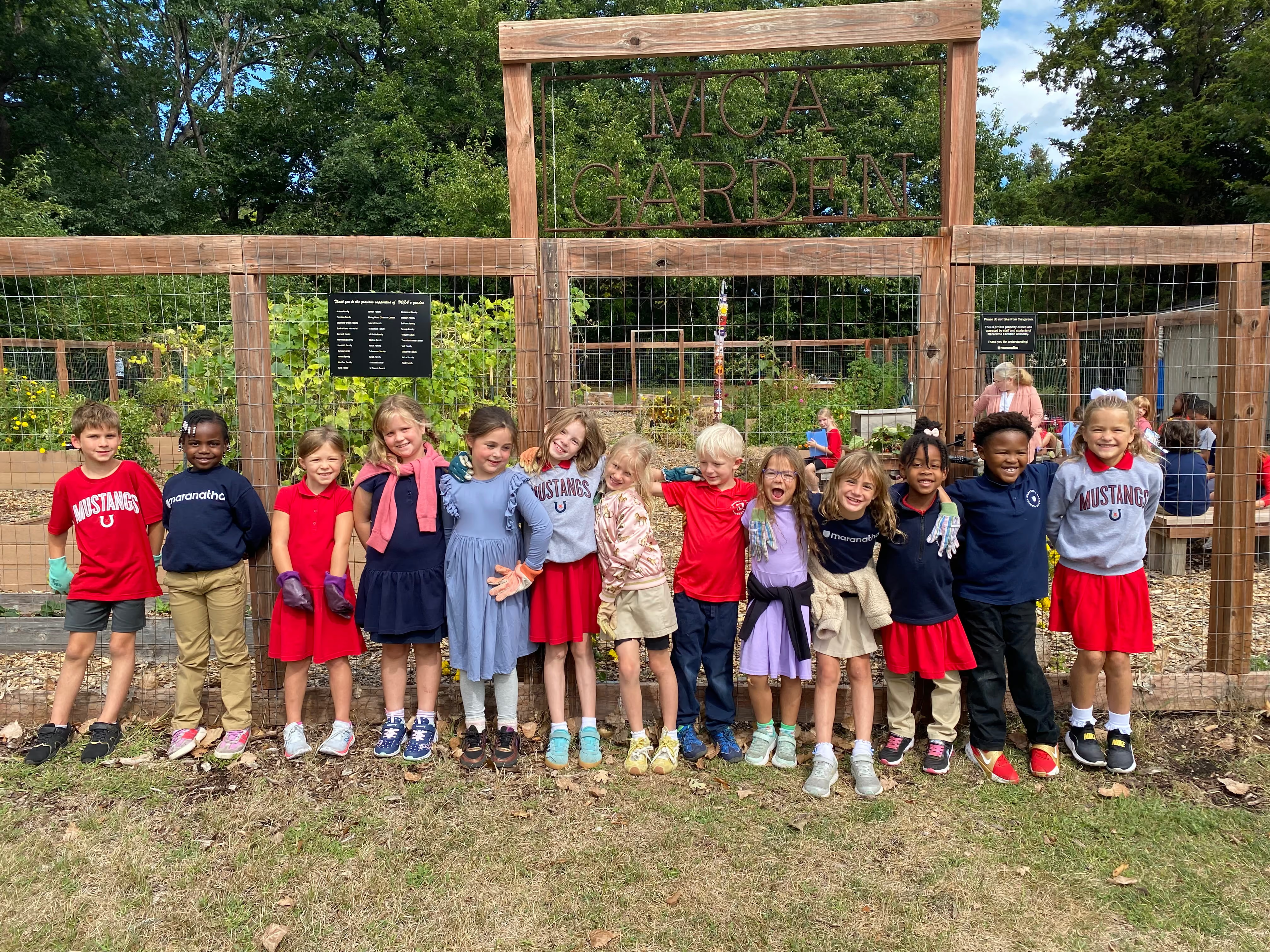
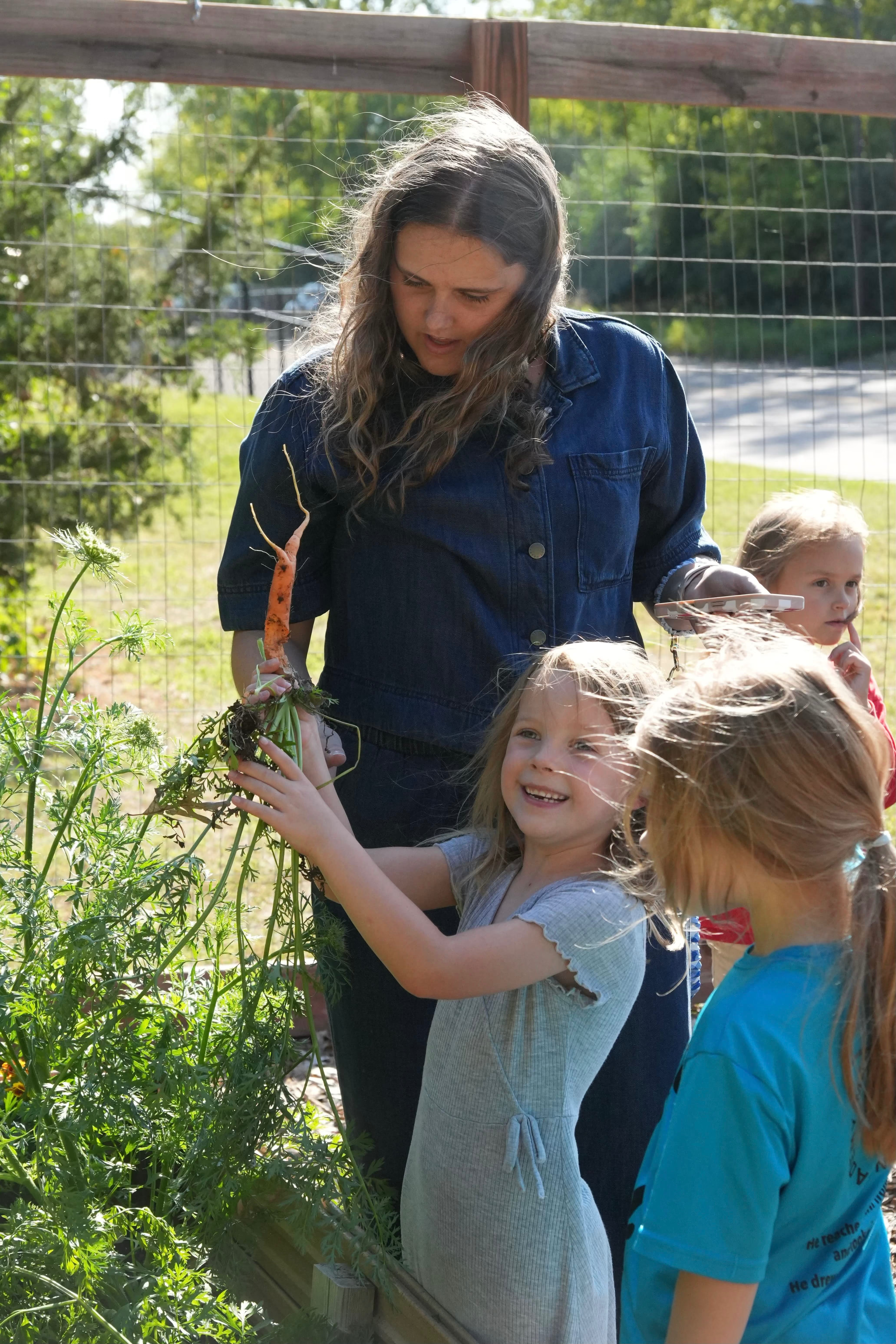
The School Garden gives your child real hands-on learning about God's creation and what it means to steward responsibility what He gave us.

High school student speaking with a microphone on stage during a presentation.
High school student in a grey Mustangs sweatshirt smiling while giving a piggyback ride to a younger elementary student.
A Living Classroom for Every Season

Our school garden is more than just a place to grow plants; it is a living, breathing classroom where faith, science, and community intersect.

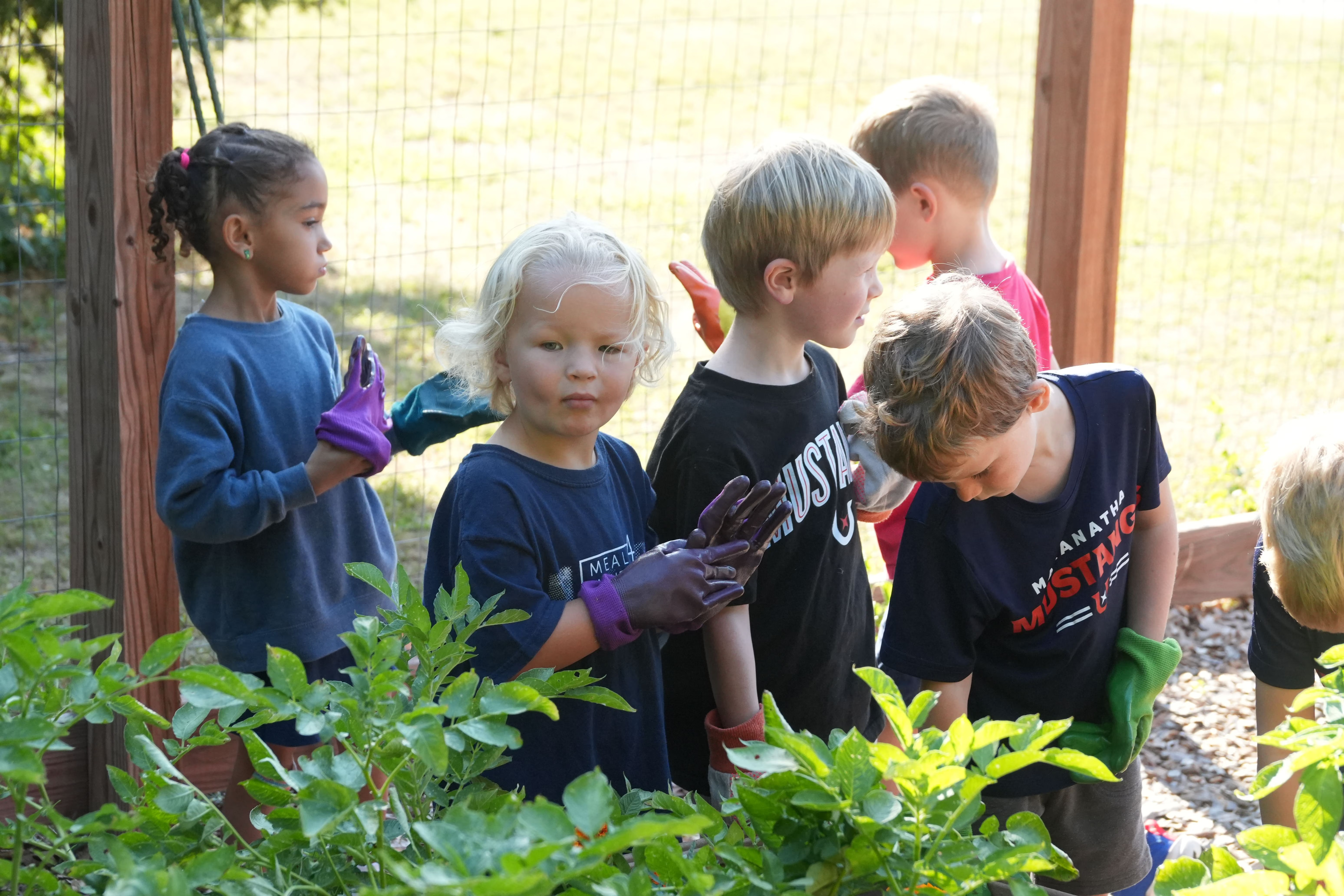
In the spring, students roll up their sleeves to plant beds tied directly to their classroom curriculum.

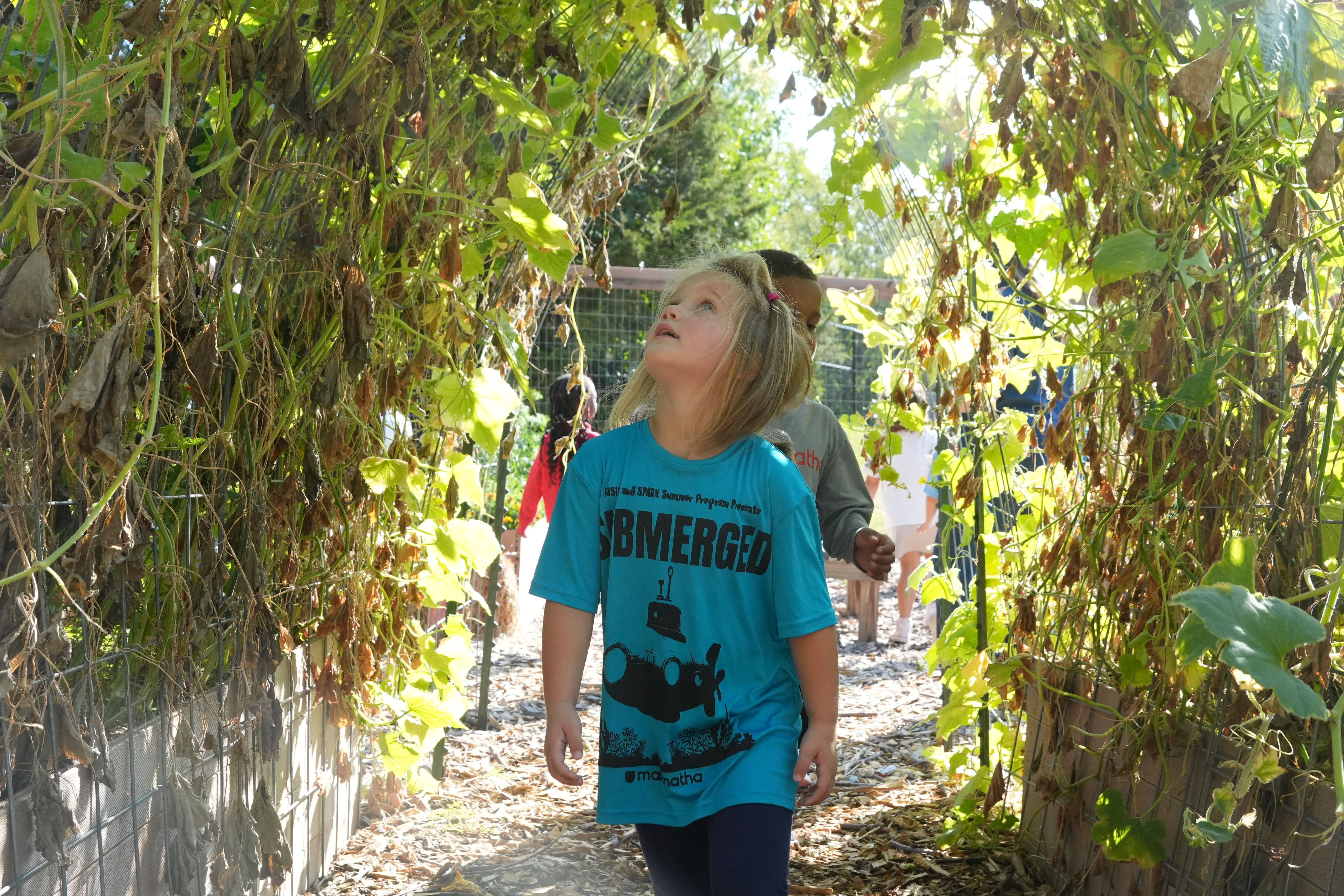
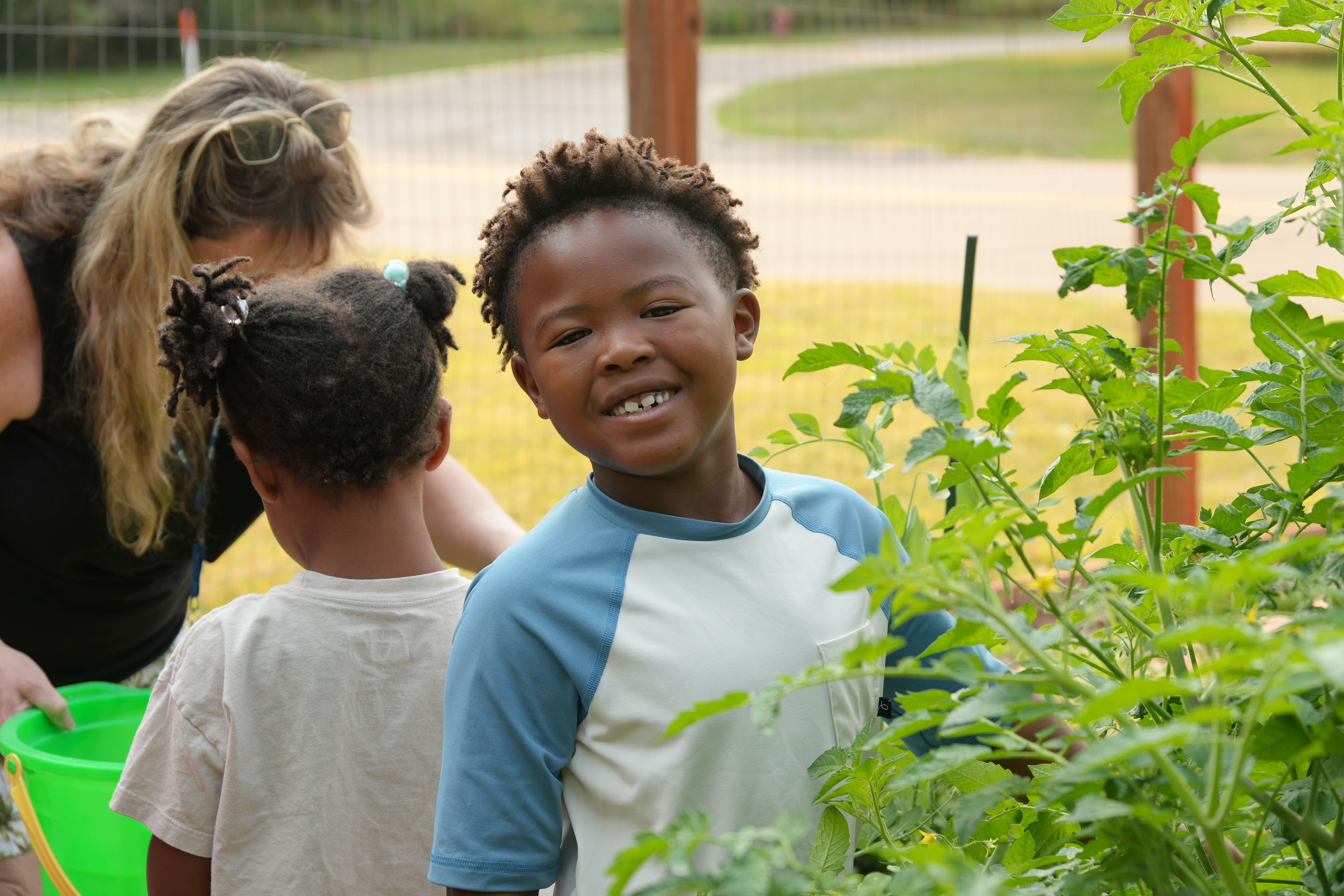
Over the summer, our summer program students keep the garden thriving by watering, picking, and tasting the fresh produce.

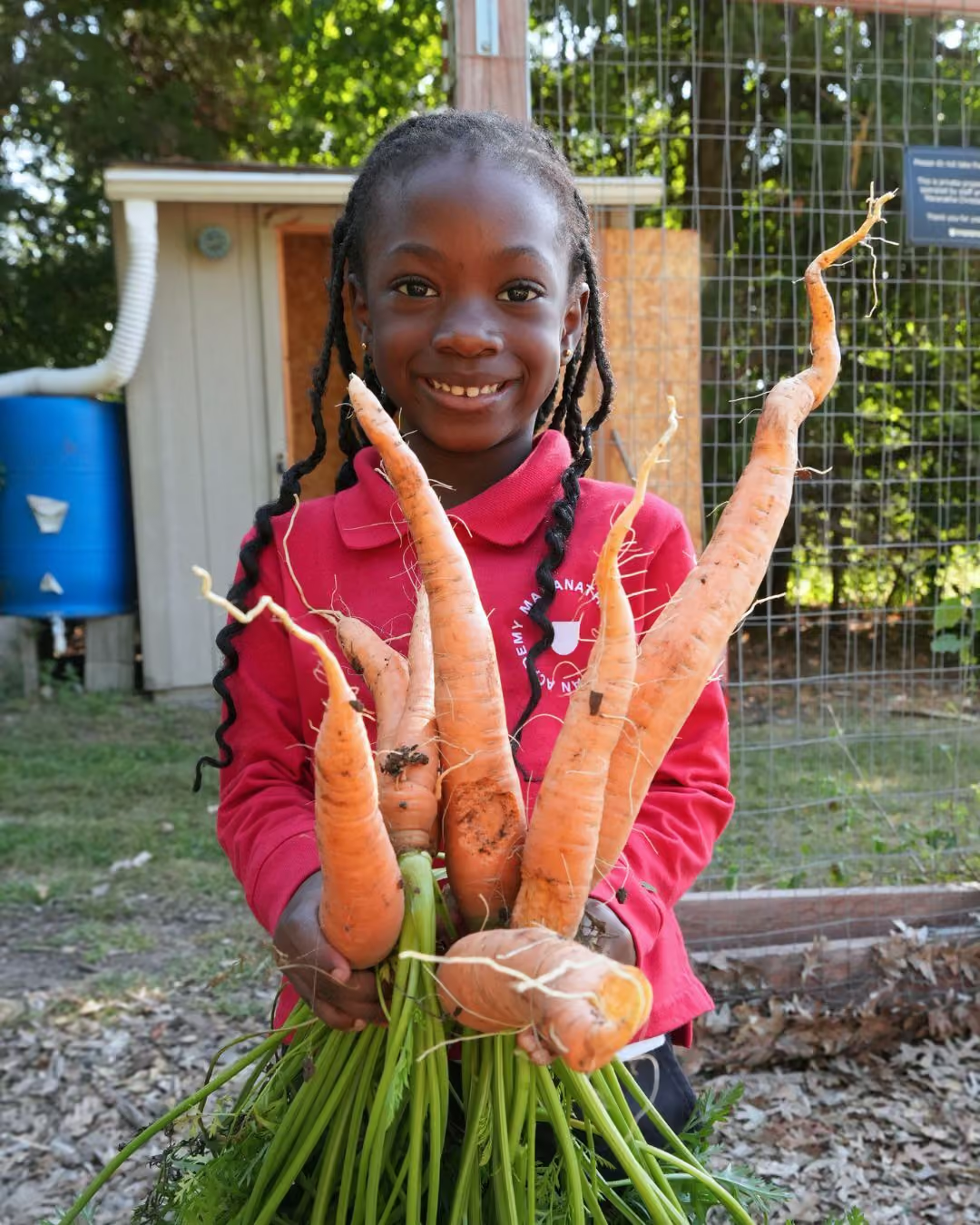
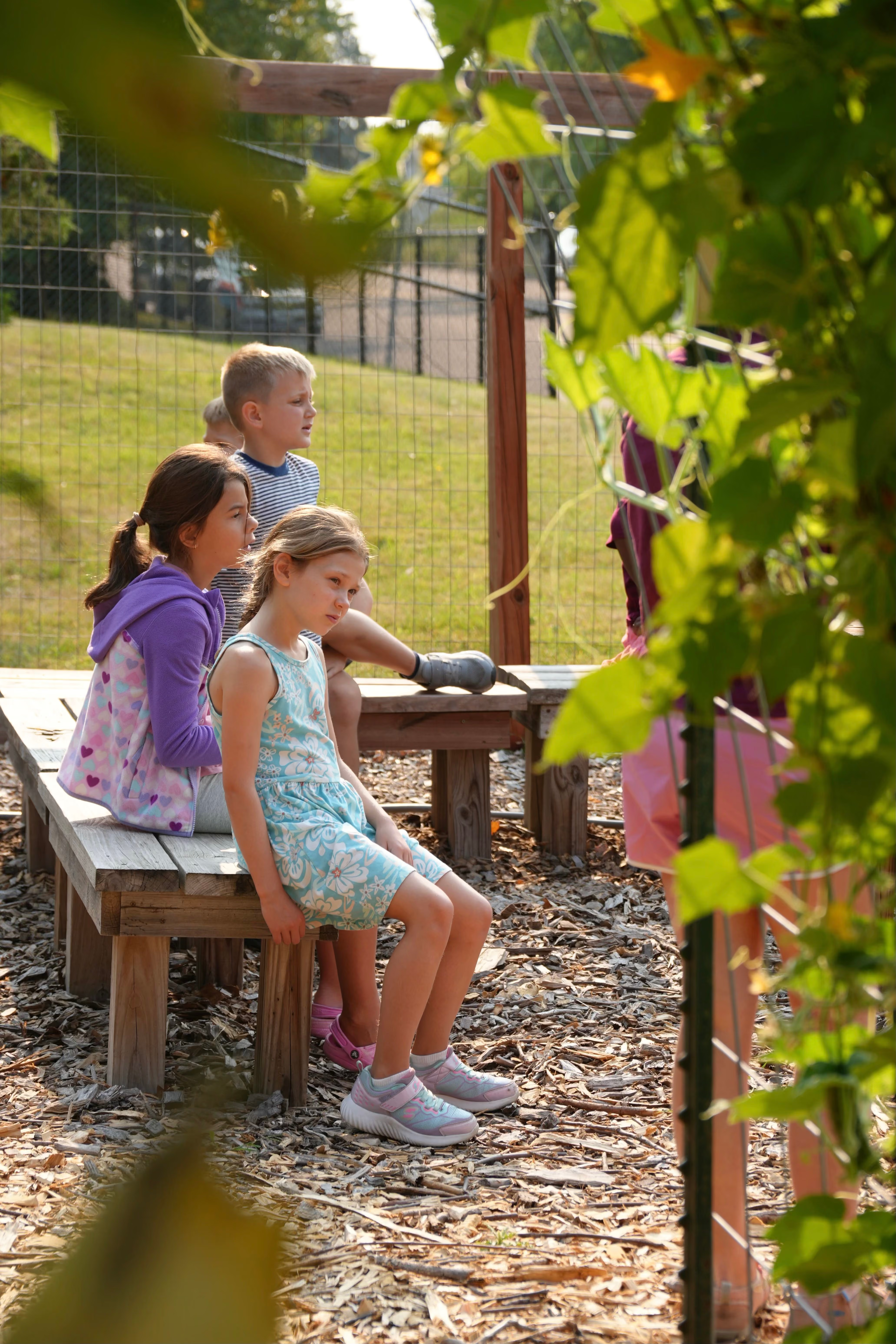
When fall arrives, students and teachers harvest the rewards of their hard work, bringing the lessons of stewardship and God’s creation directly into the classroom.

Sowing Seeds in Early Ed

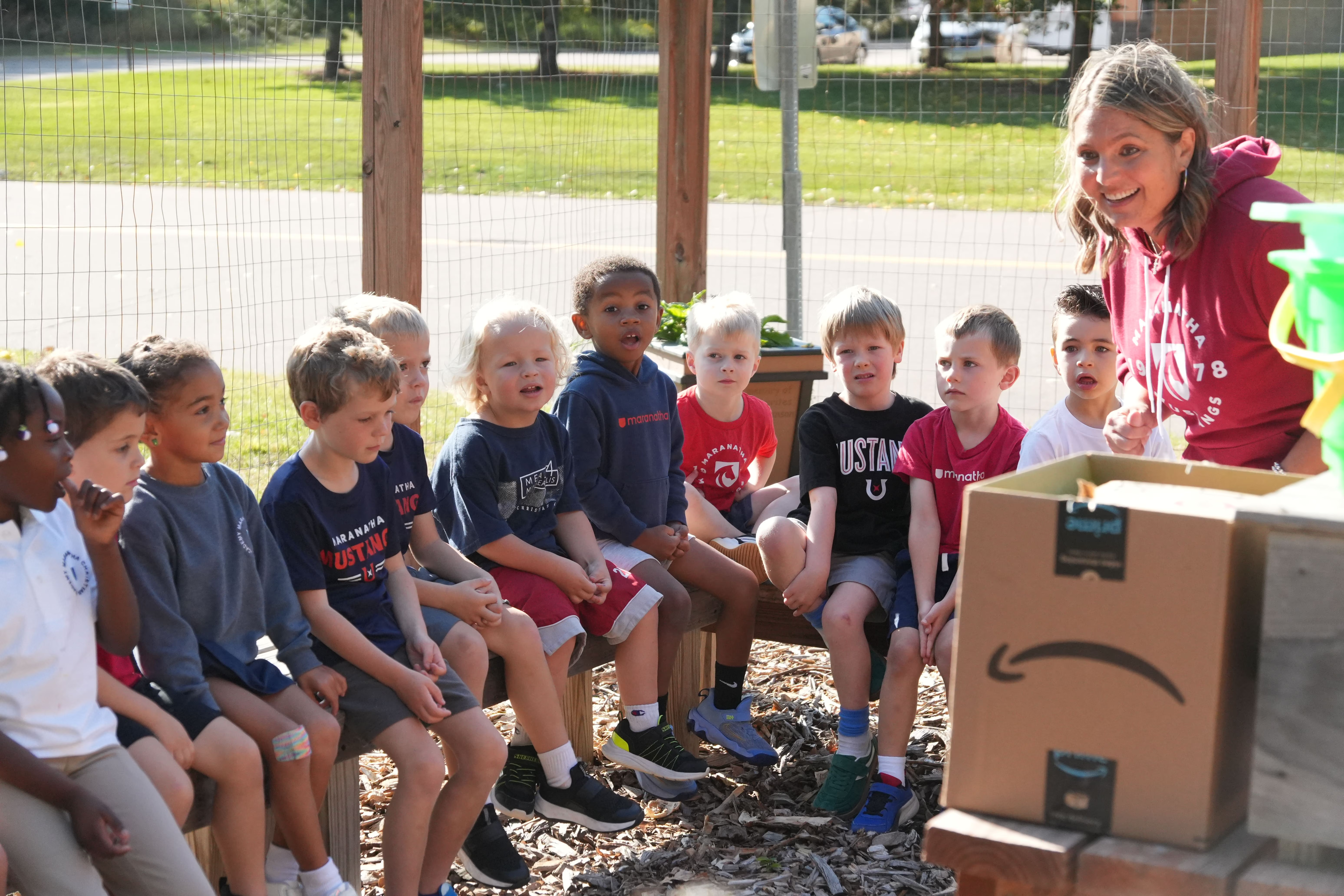
For our youngest learners, the garden is an interactive landscape of discovery that ties directly into their Plant and Creation units. As we read about the Sower in the Bible, students gain hands-on experience in the soil to see those parables come to life.
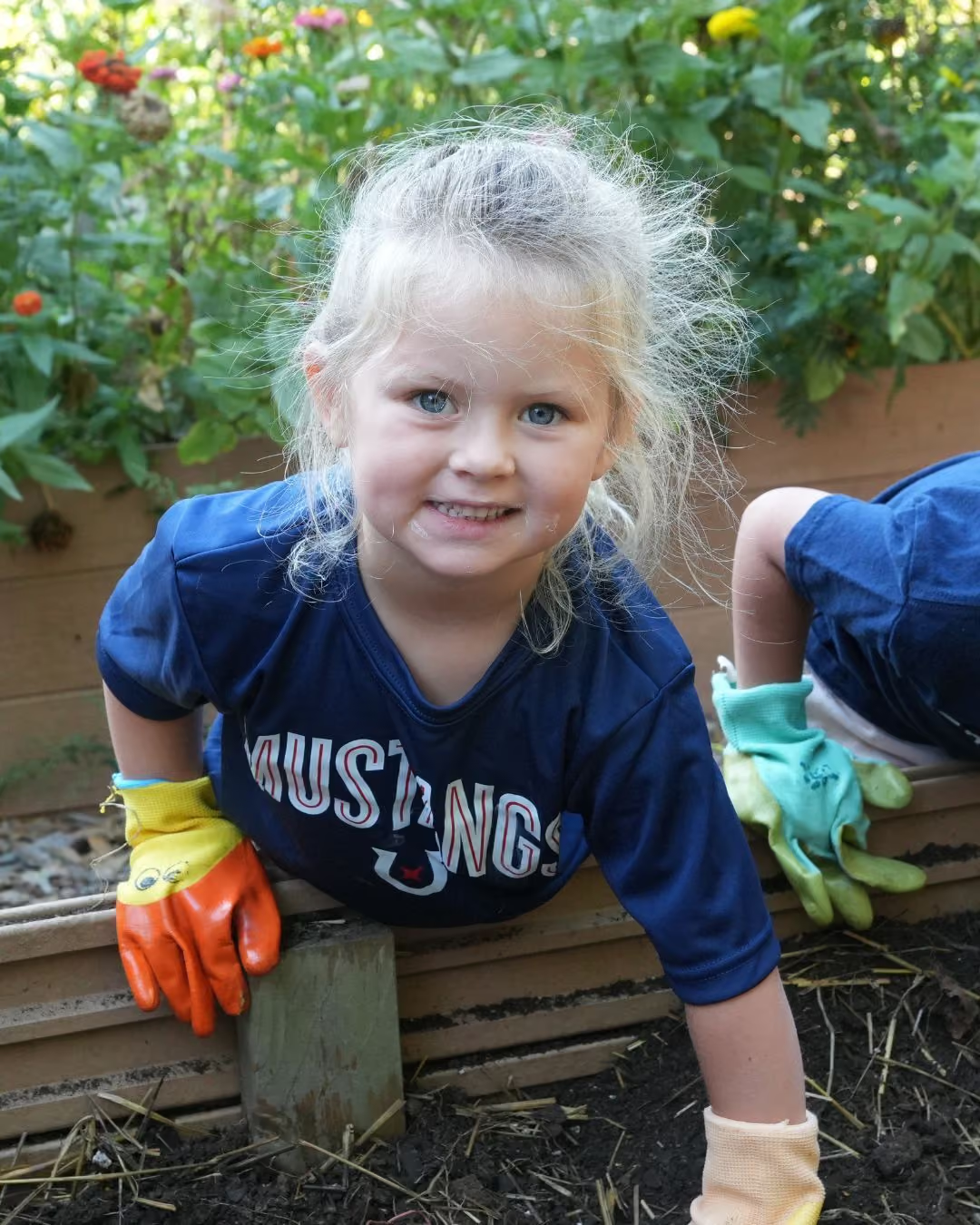
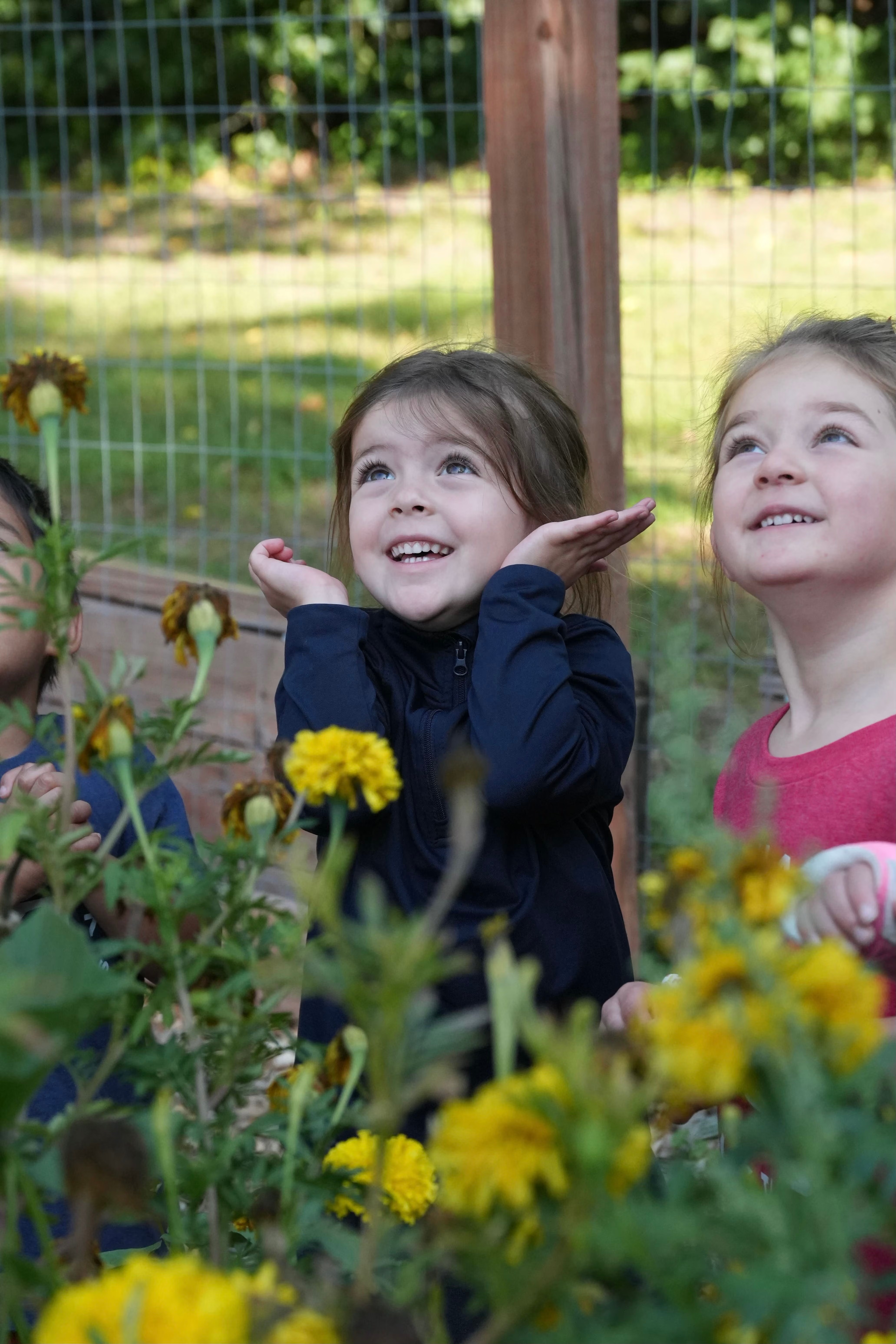
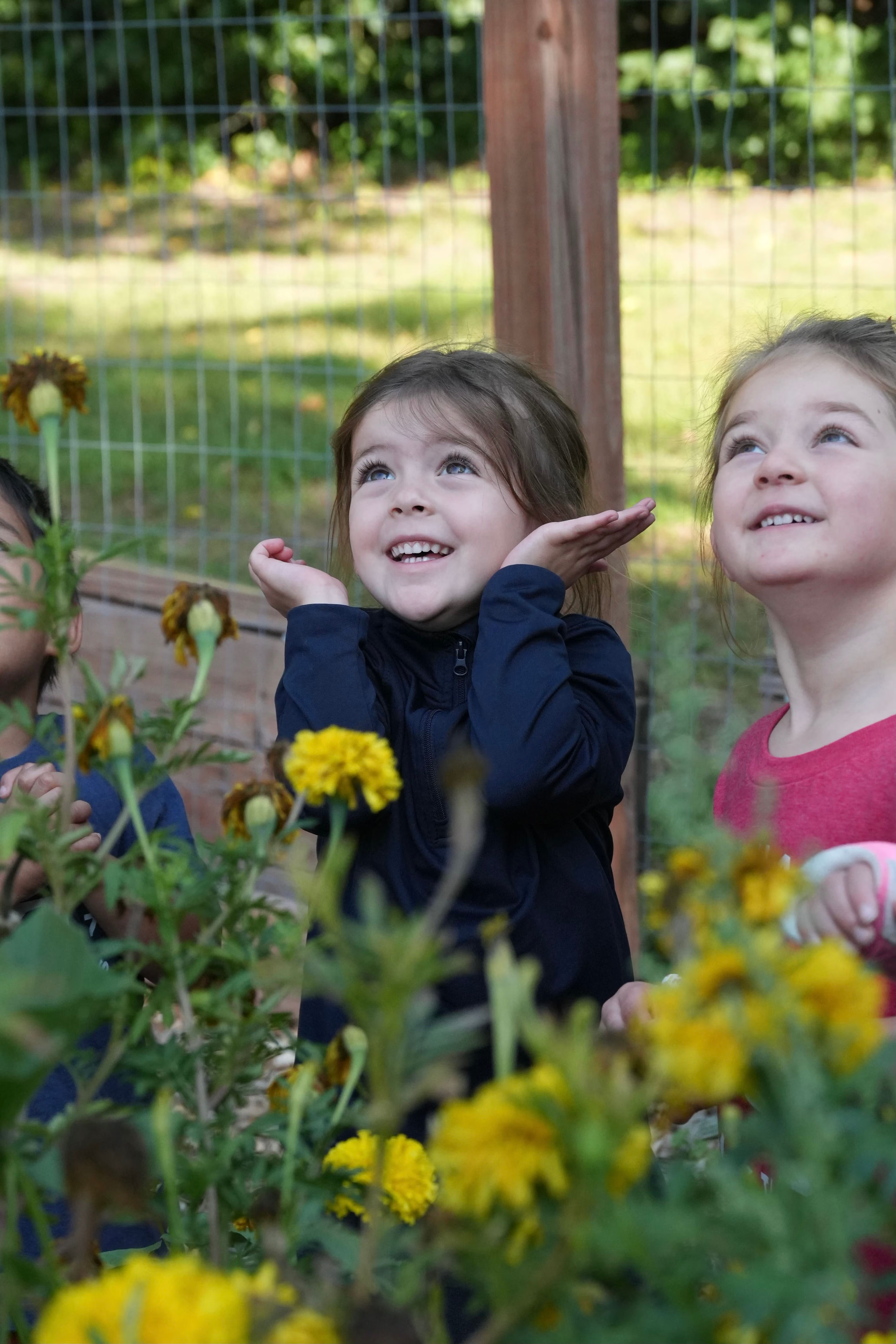
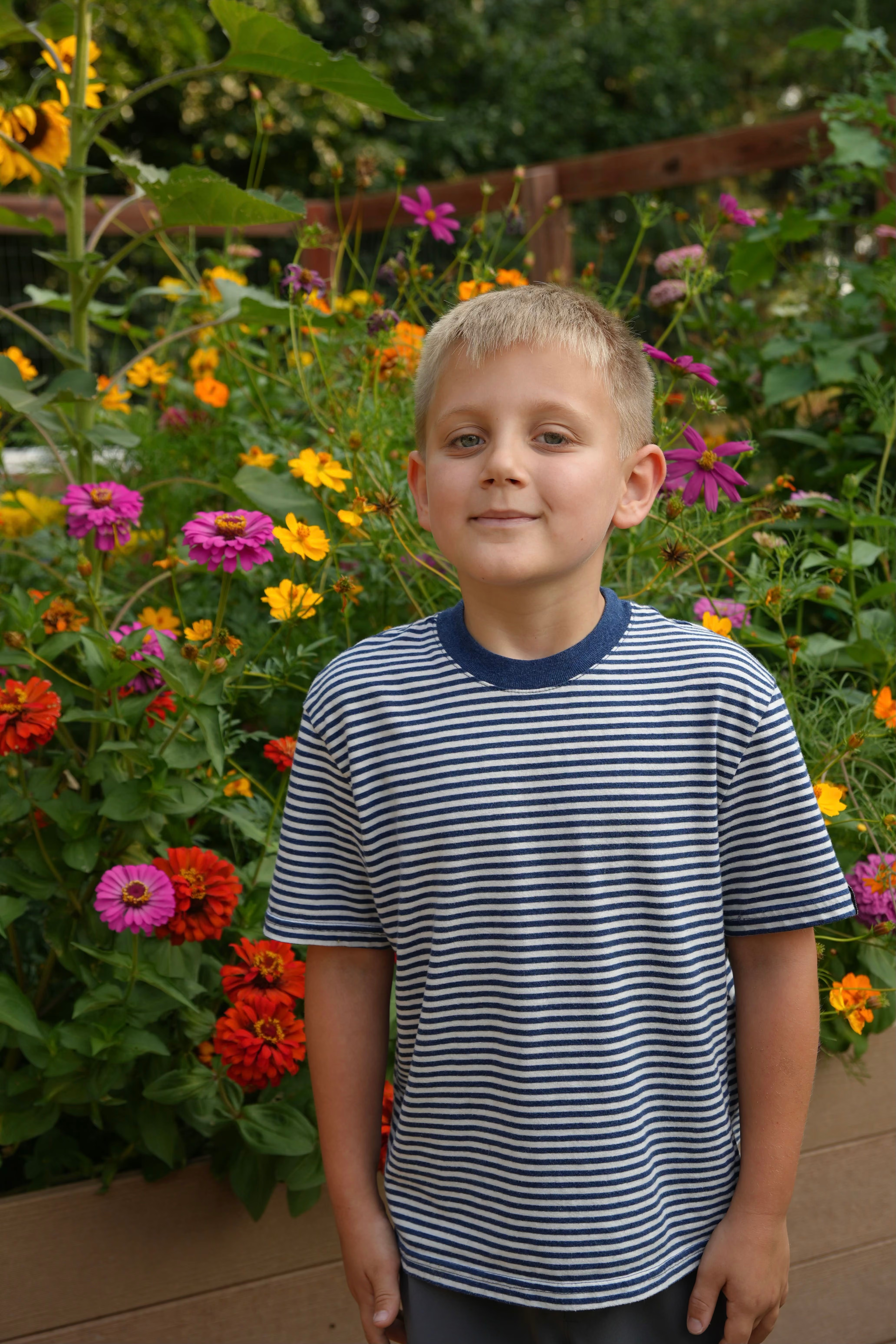
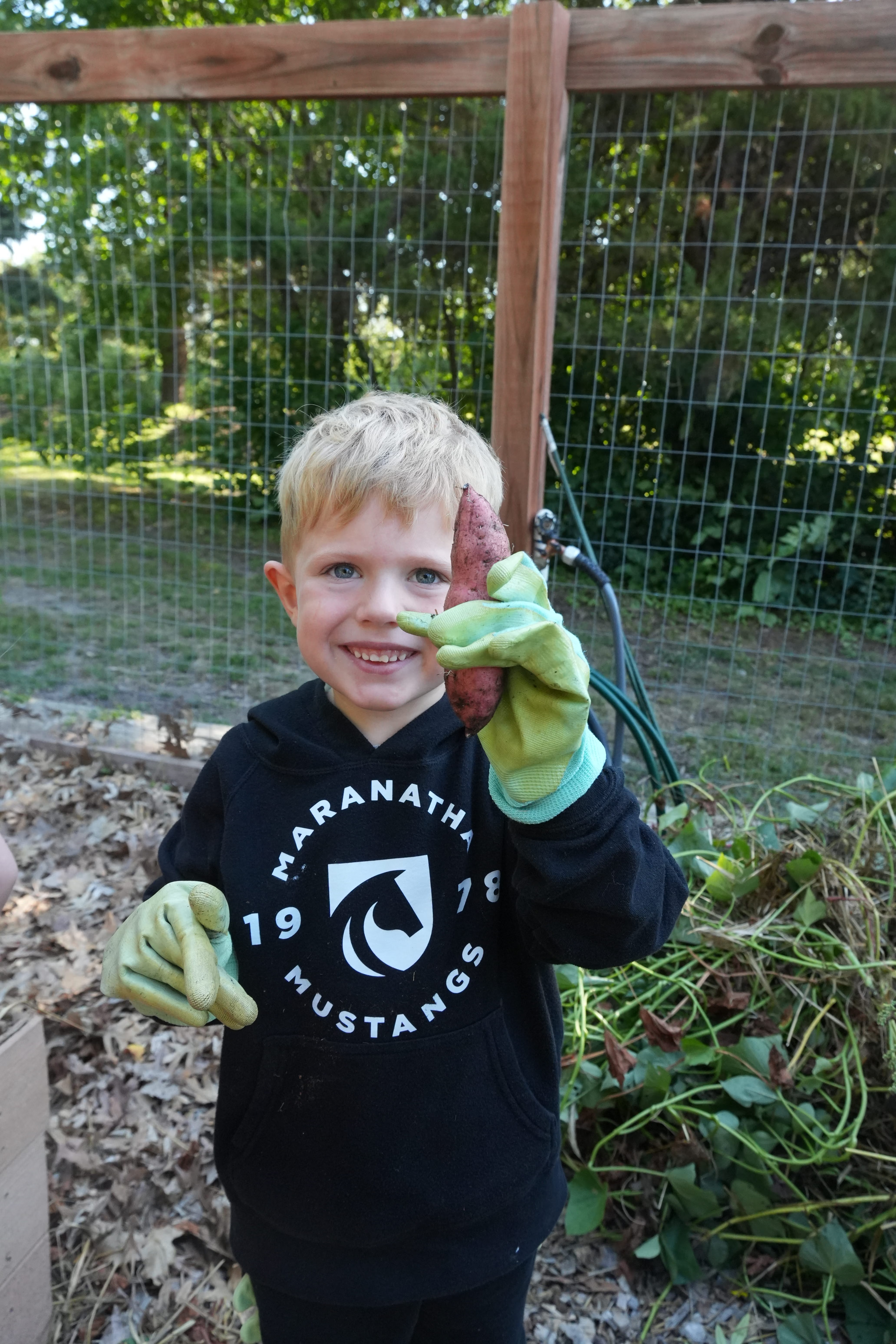
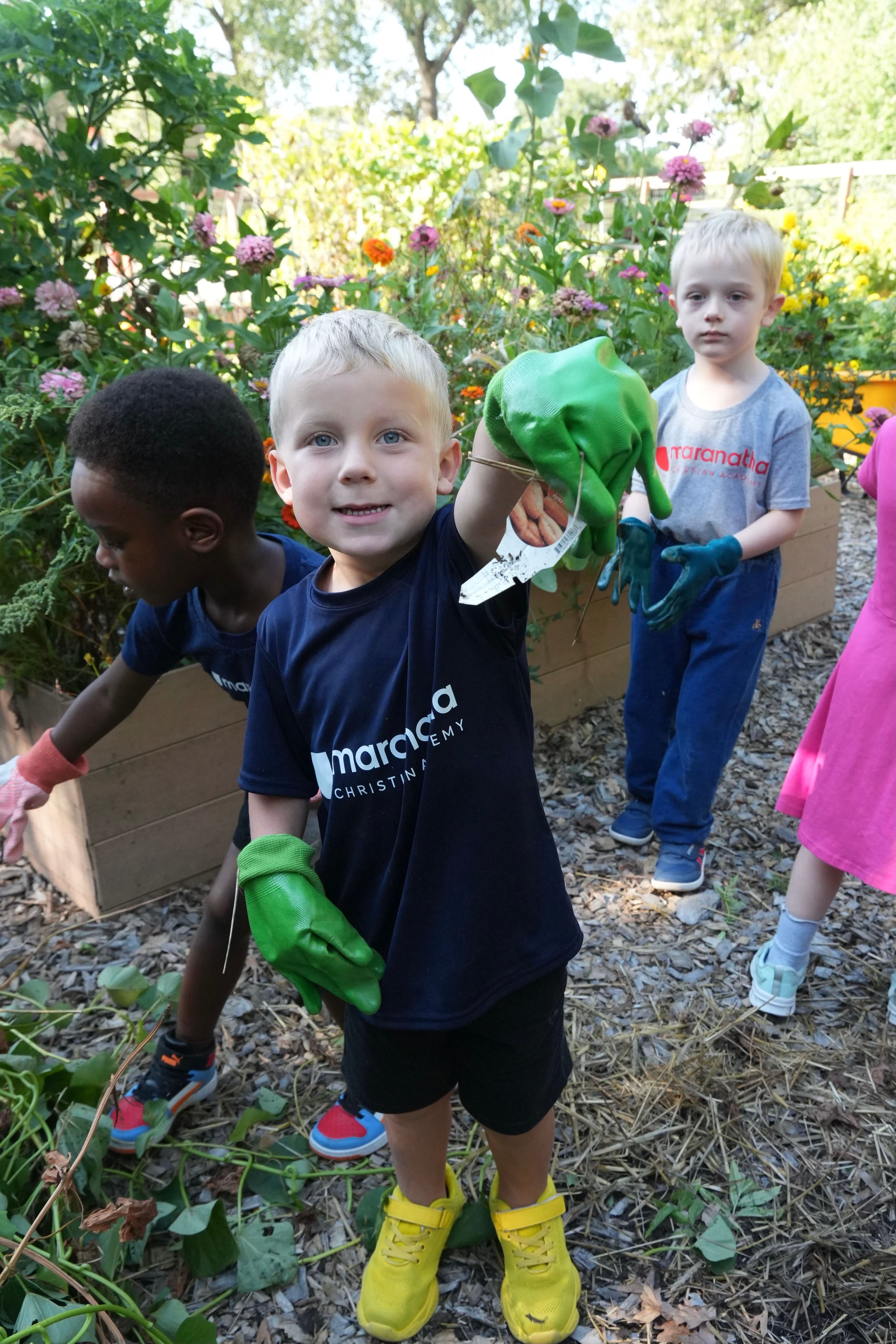
  • PreK Kindness Bouquets & Stone Soup: Pr-K students grow and assemble flower bouquets for school leaders to foster social learning and kindness. They also read the classic Stone Soup and harvests vegetables to make their very own communal soup, while embarking on a "Sweet Potato Journey" to meet early science standards.
  • Kindergarten Salad Garden: Connecting to the ELA and Bible Creation units, Kindergarteners cultivate a Salad Garden. They learn that we are created in God’s image and discover how to utilize and appreciate the abundant nature He supplies.
High school student speaking with a microphone on stage during a presentation.
High school student in a grey Mustangs sweatshirt smiling while giving a piggyback ride to a younger elementary student.
Rooted in Local History & Ecosystems

As students move into lower elementary, their garden plots expand to teach them about local history and biological ecosystems.

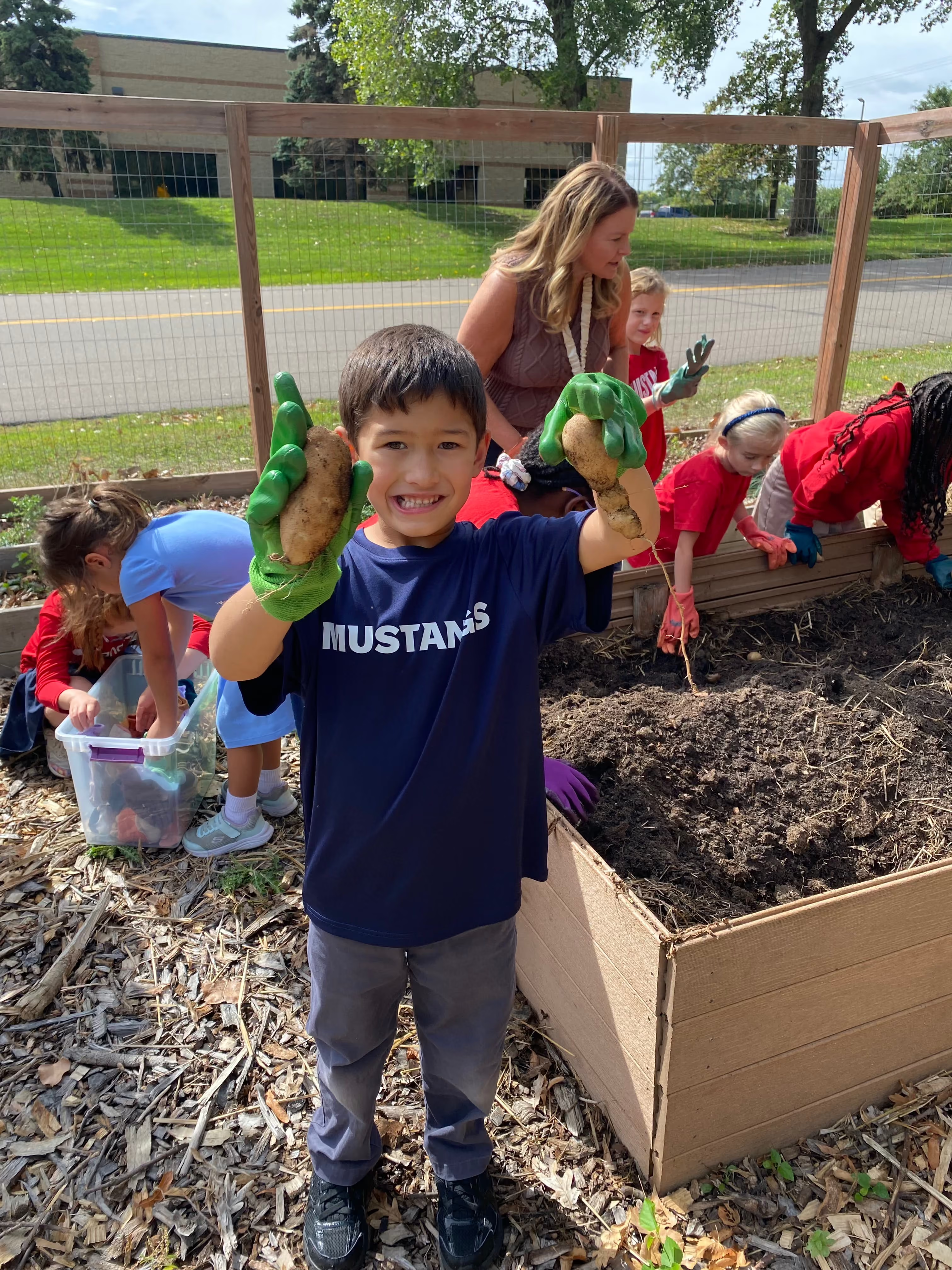
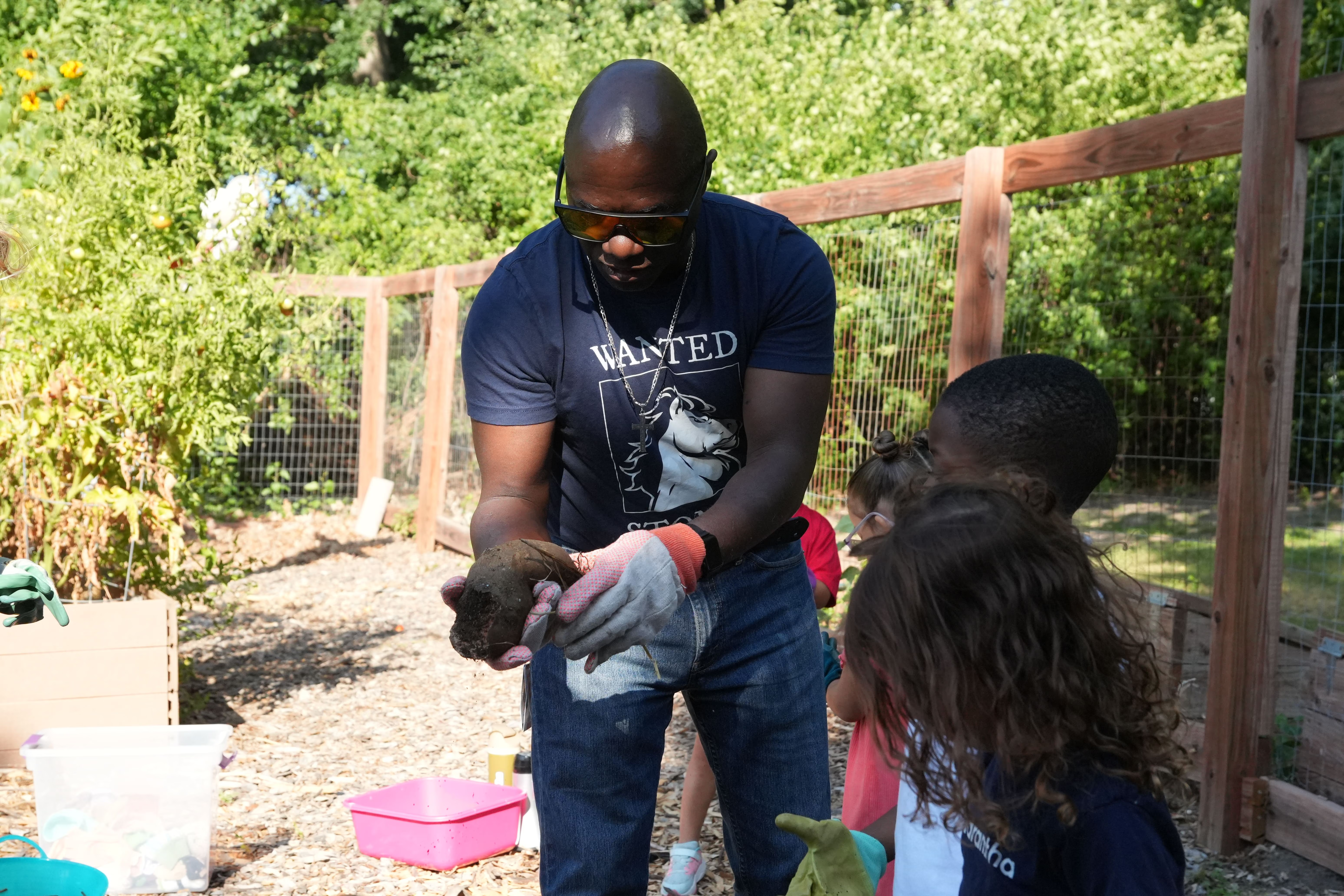
  • 1st Grade Potato Garden: Students plant and harvest potatoes, transforming them into homemade french fries. This provides a delicious treat while connecting students to local history, as Brooklyn Park was originally founded as a potato-growing community.
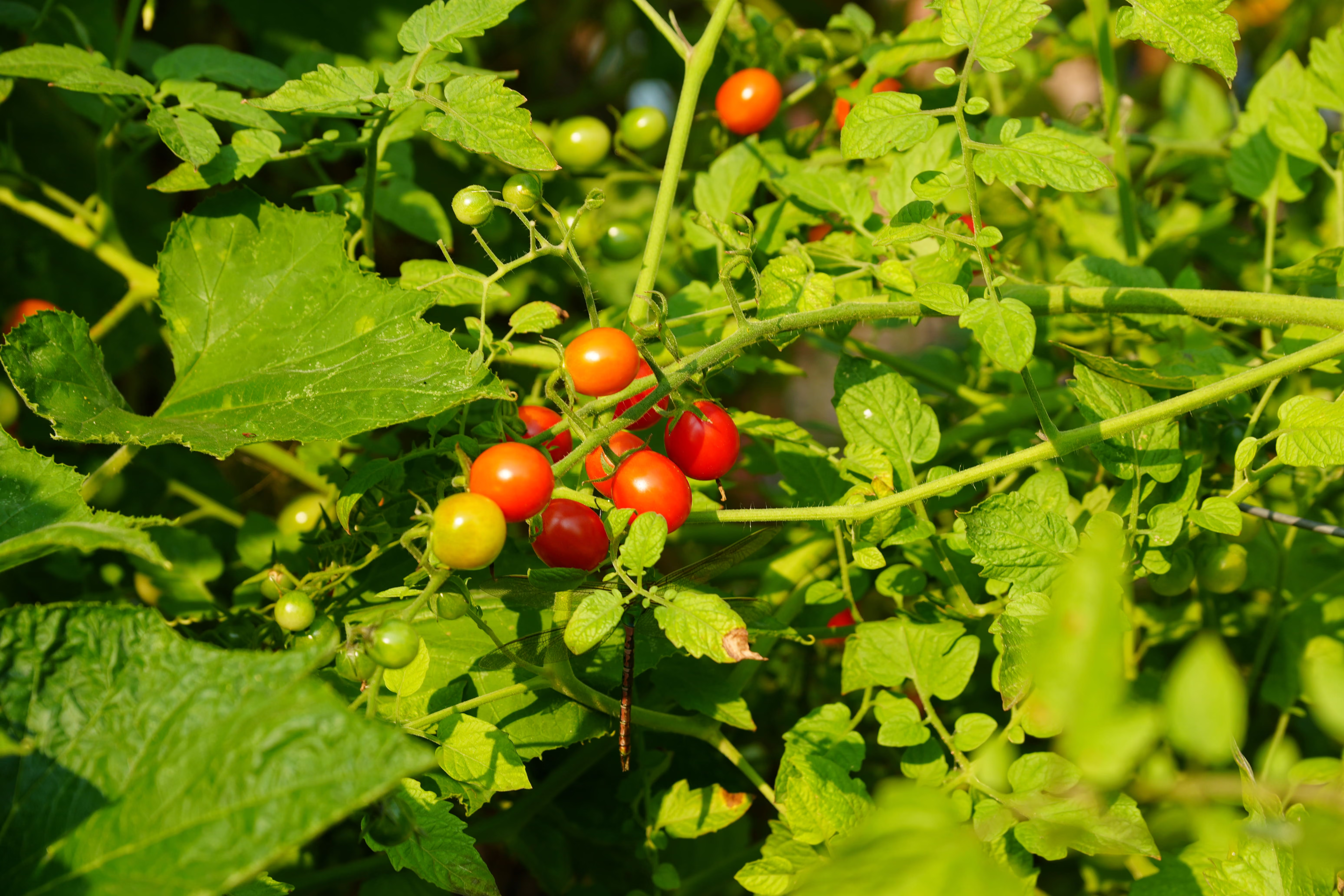
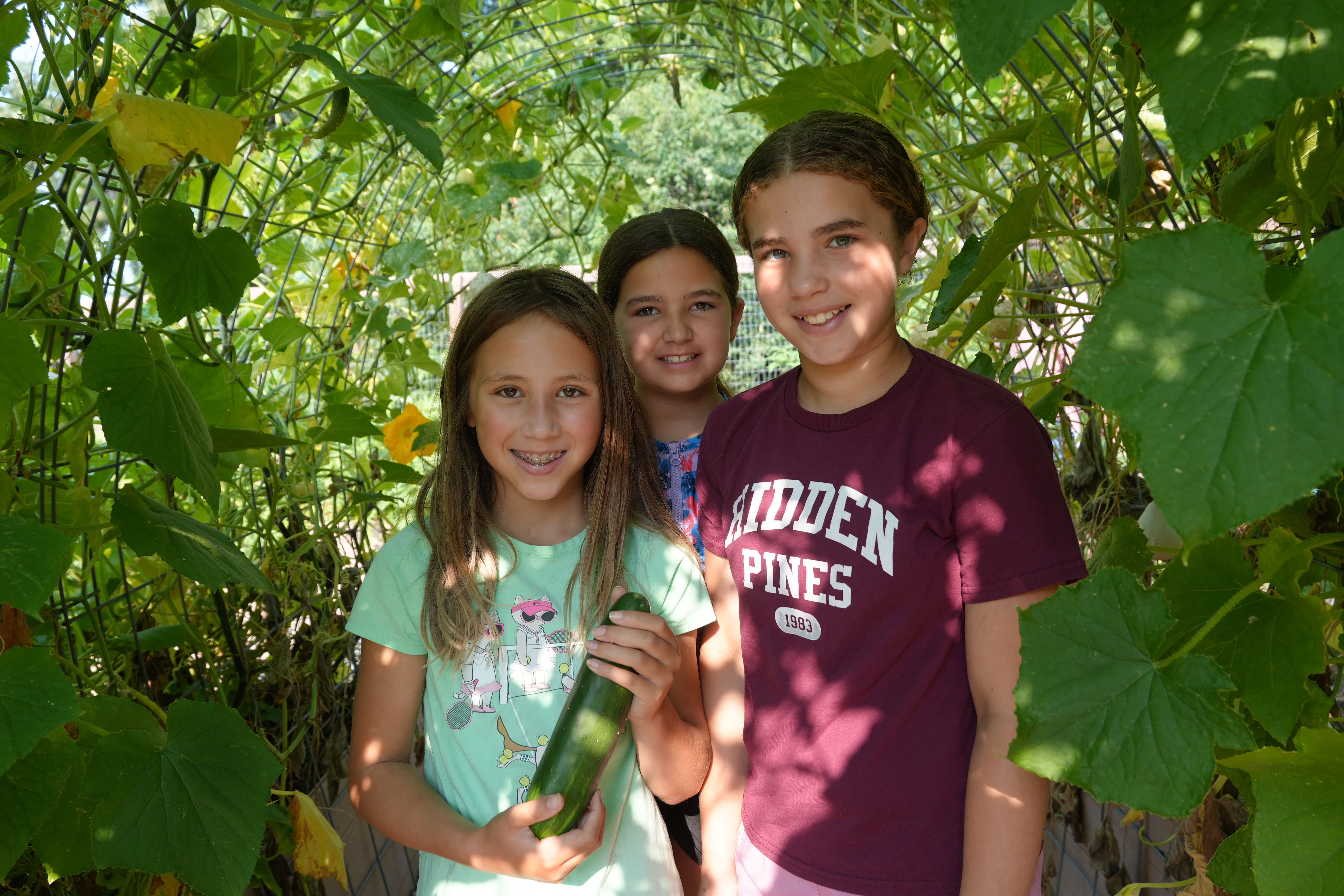
  • 2nd Grade Tomato & Zucchini Patch: Students manage the rapid growth and life cycles of some of the garden's most productive vegetables.
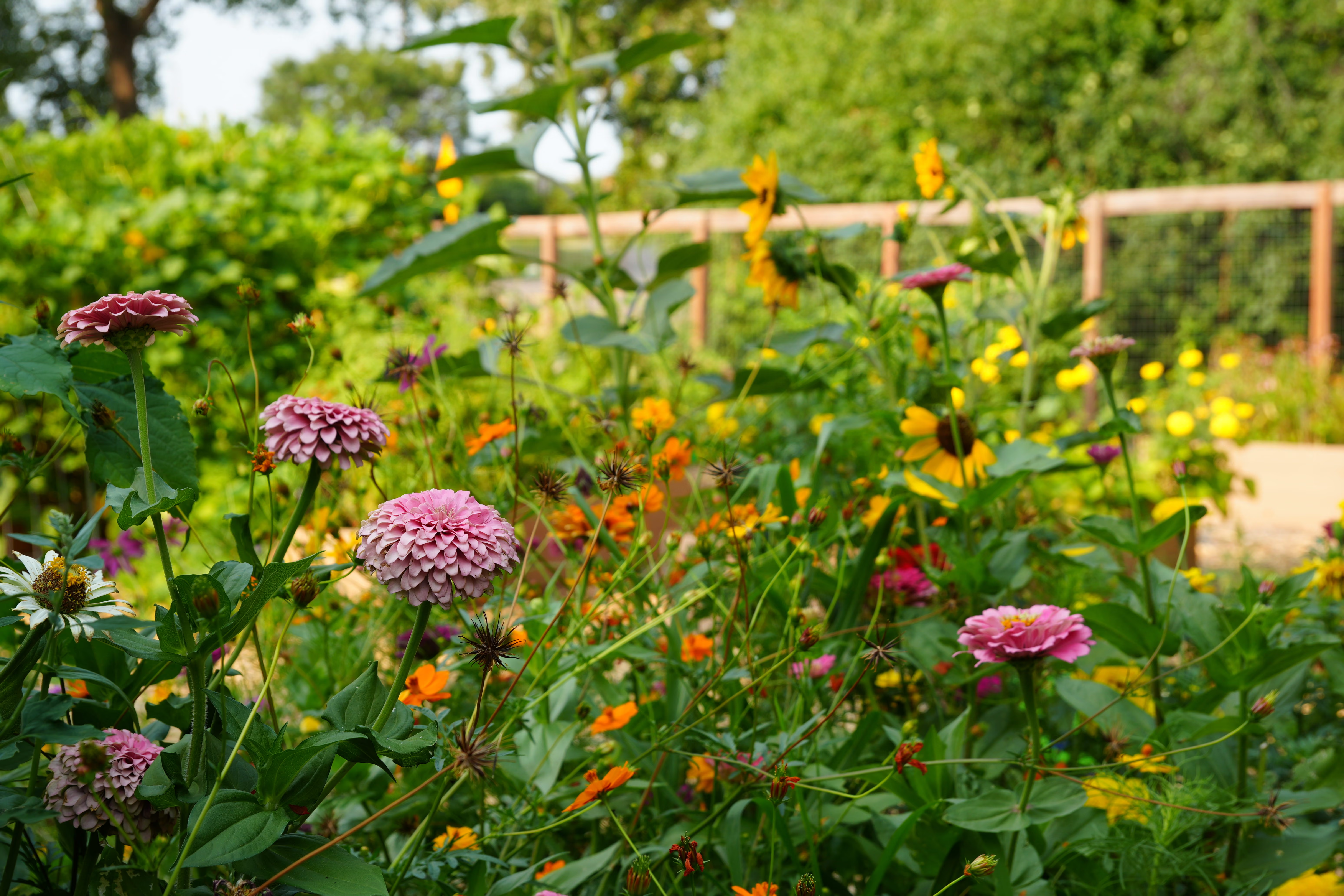
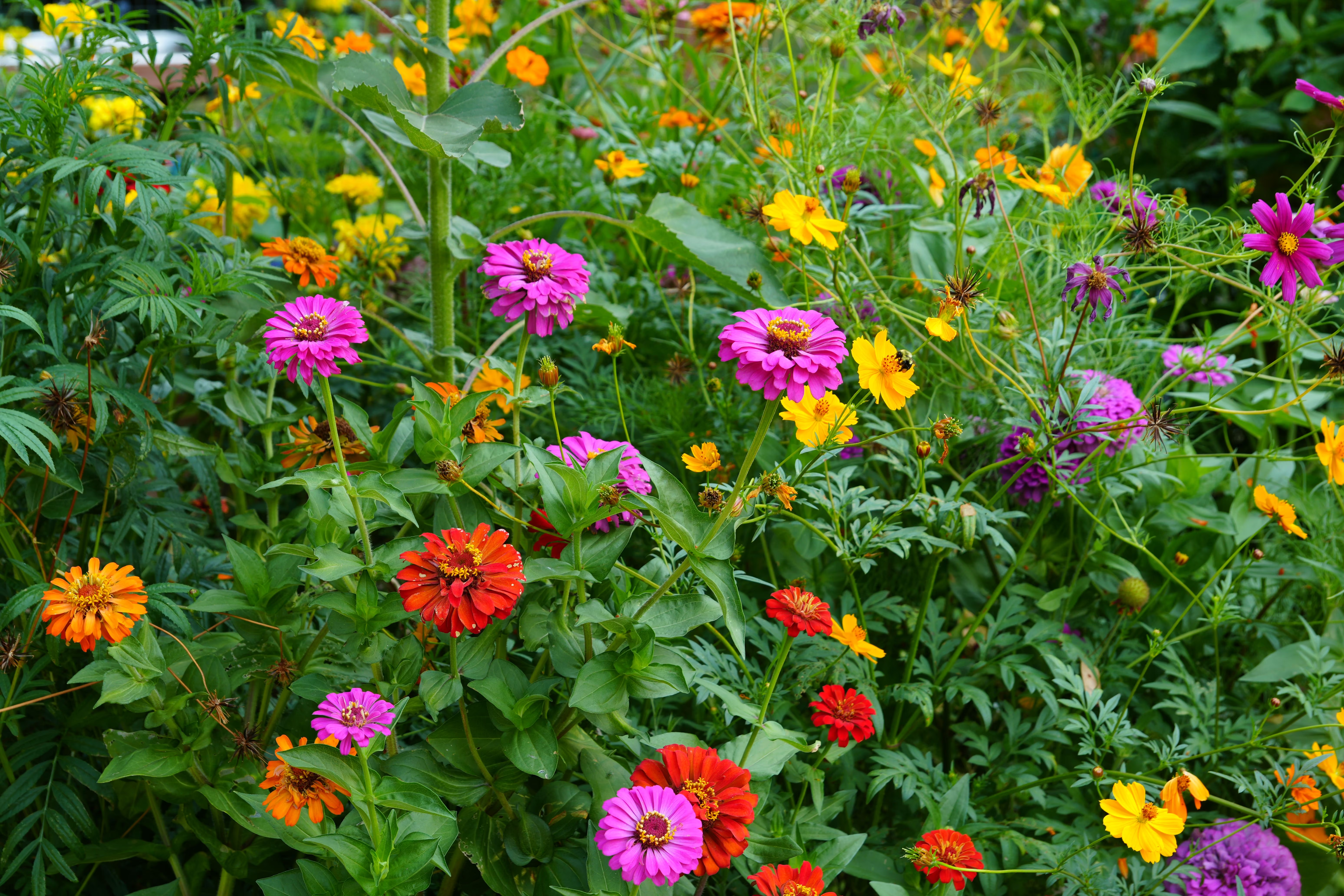
  • 3rd Grade Pollinator Garden: Students cultivate specific plants designed to attract bees, butterflies, and other essential insects, learning firsthand about the vital role pollinators play in our global ecosystem.
Science, Stewardship, and Salsa!

In the upper elementary grades, the garden becomes a laboratory for advanced science and a testament to biblical stewardship.
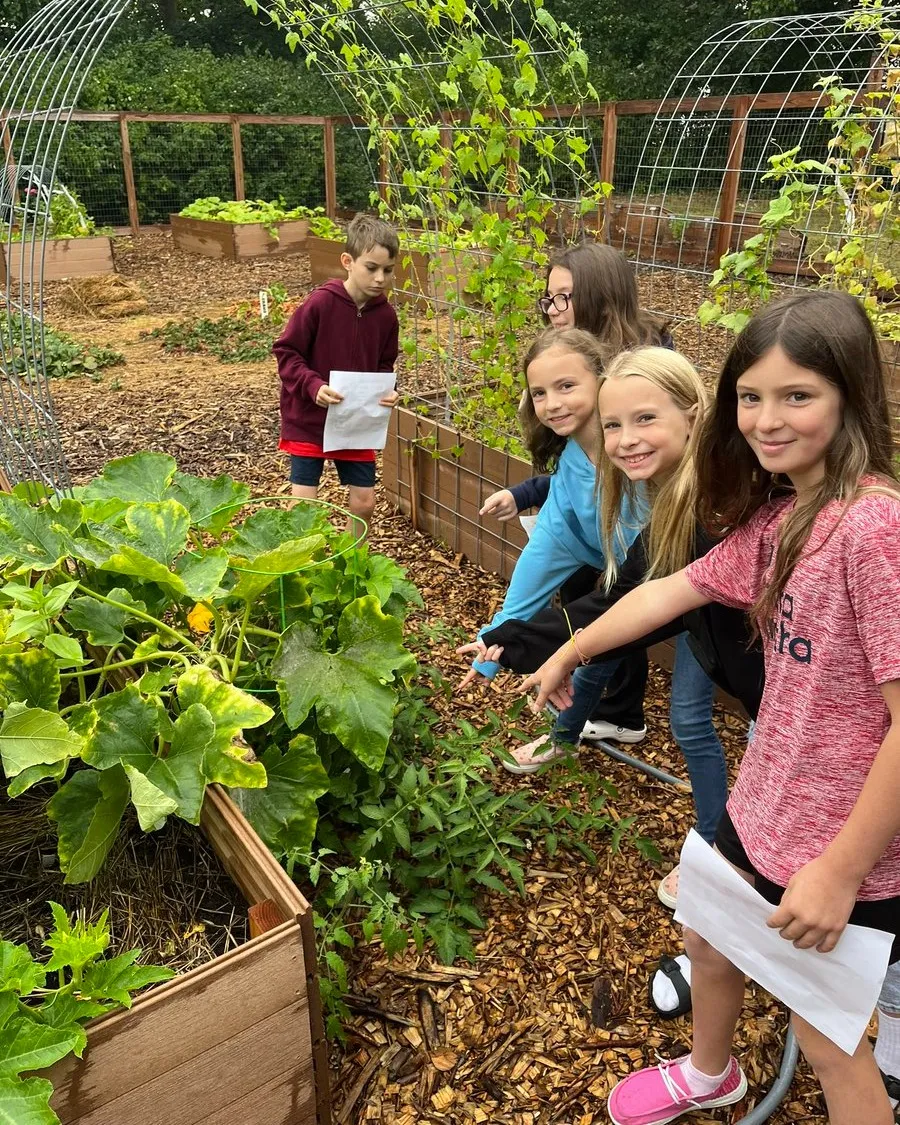
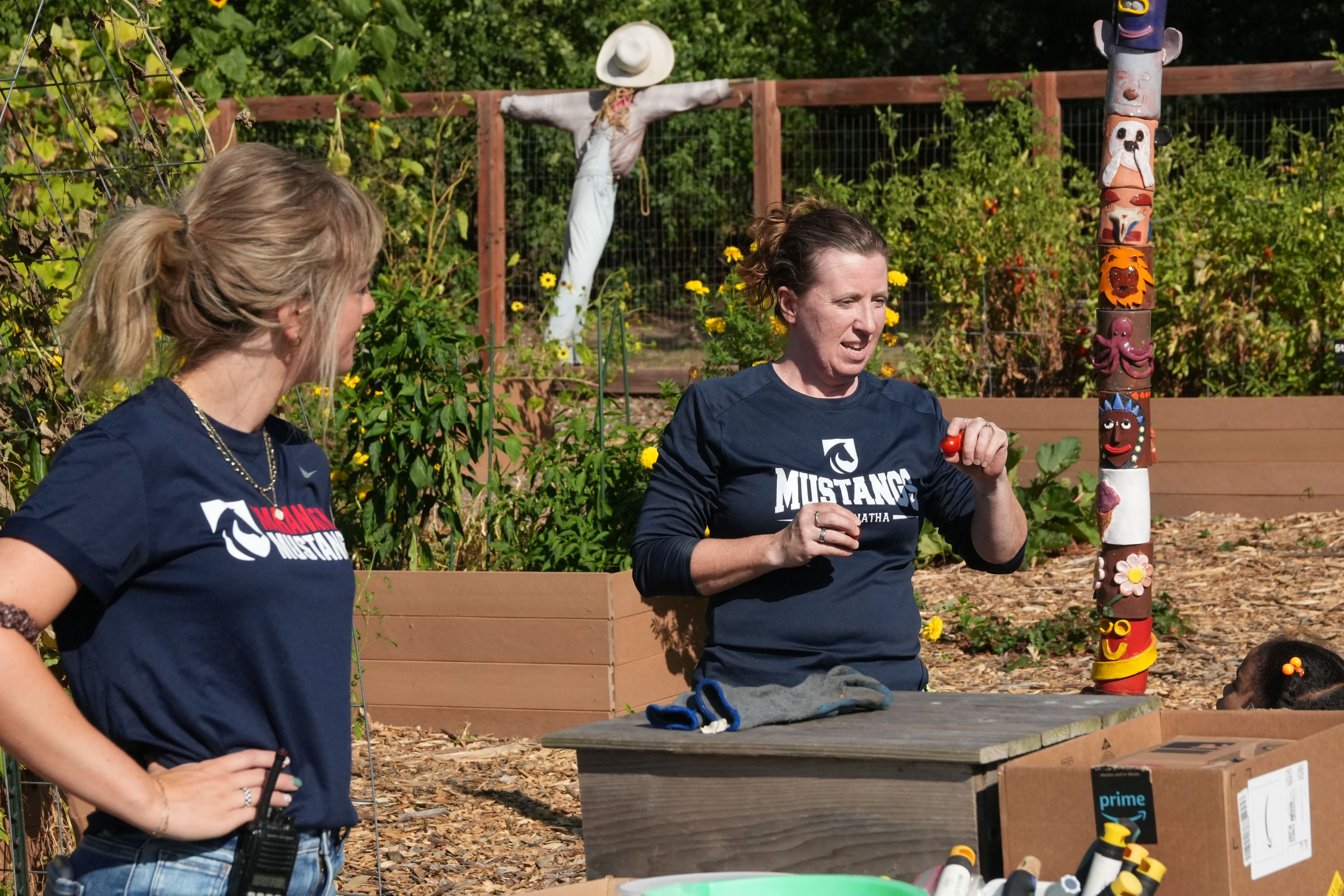
  • 4th Grade Salsa Garden: Students grow the ingredients needed to make fresh salsa in the fall. This hands-on project anchors lessons on the water cycle, plant traits, and human-environmental interaction in Social Studies. In Bible class, the Salsa Garden opens discussions on how God created plants for us to steward, and how making healthy food choices honors our bodies as temples of the Holy Spirit.
  • 5th Grade Chili Garden: Fifth graders take charge of the Chili Garden, growing robust peppers while also stepping into leadership roles by prepping the garden beds for the harsh Minnesota winter.
High school student speaking with a microphone on stage during a presentation.
High school student in a grey Mustangs sweatshirt smiling while giving a piggyback ride to a younger elementary student.
A Collaborative Campus Effort

The garden thrives because of the collaborative effort across our entire campus, blending art, advanced science, and servant leadership.
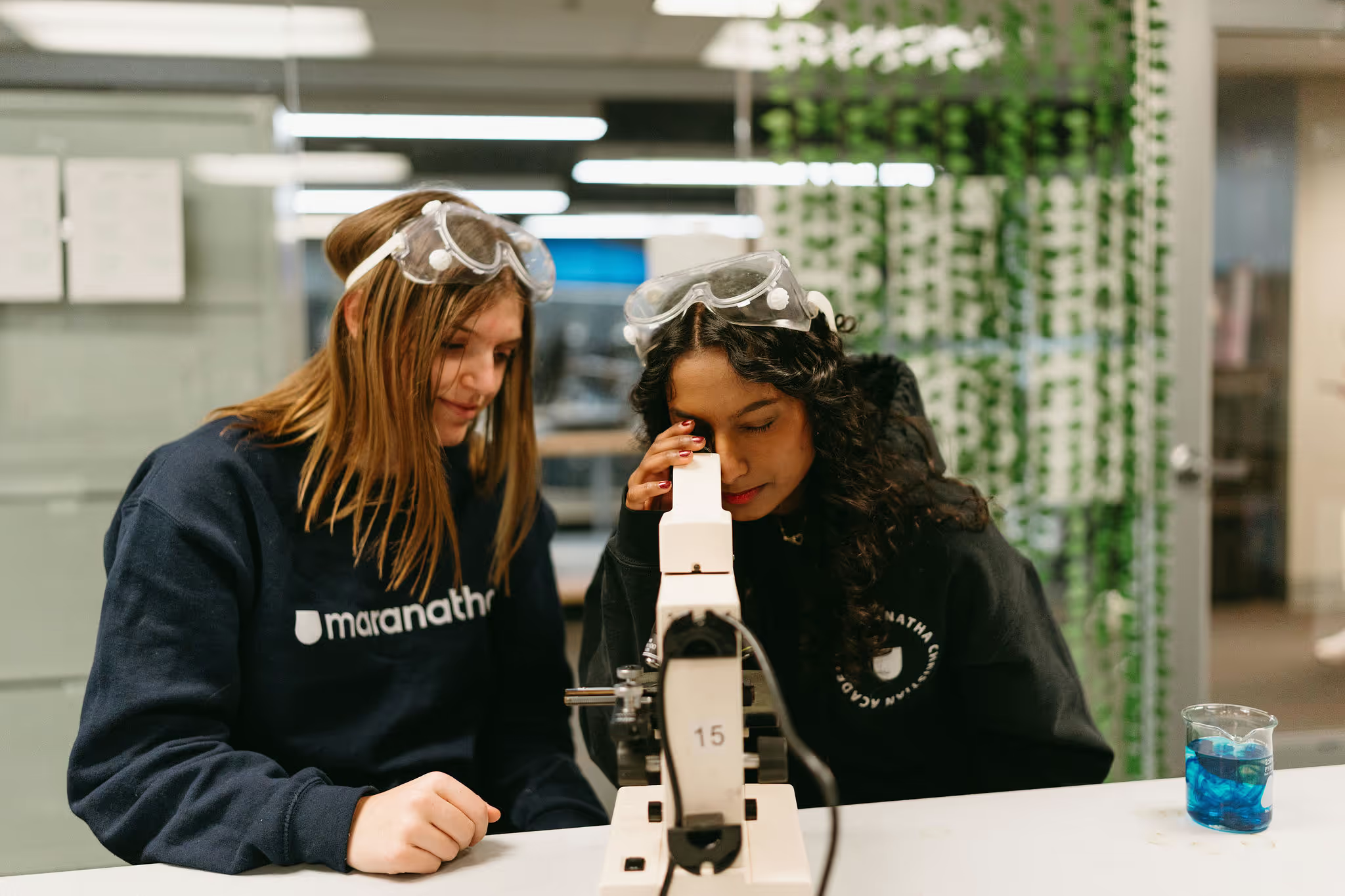
  • Middle School Science: As the program grows, 7th-grade science classes are beginning to utilize the garden to study plant biology and cellular structures under microscopes.
  • National Junior Honor Society (NJHS): NJHS students earn service hours and practice leadership by assisting our 5th graders with the heavy lifting of fall cleanup and winter prep.
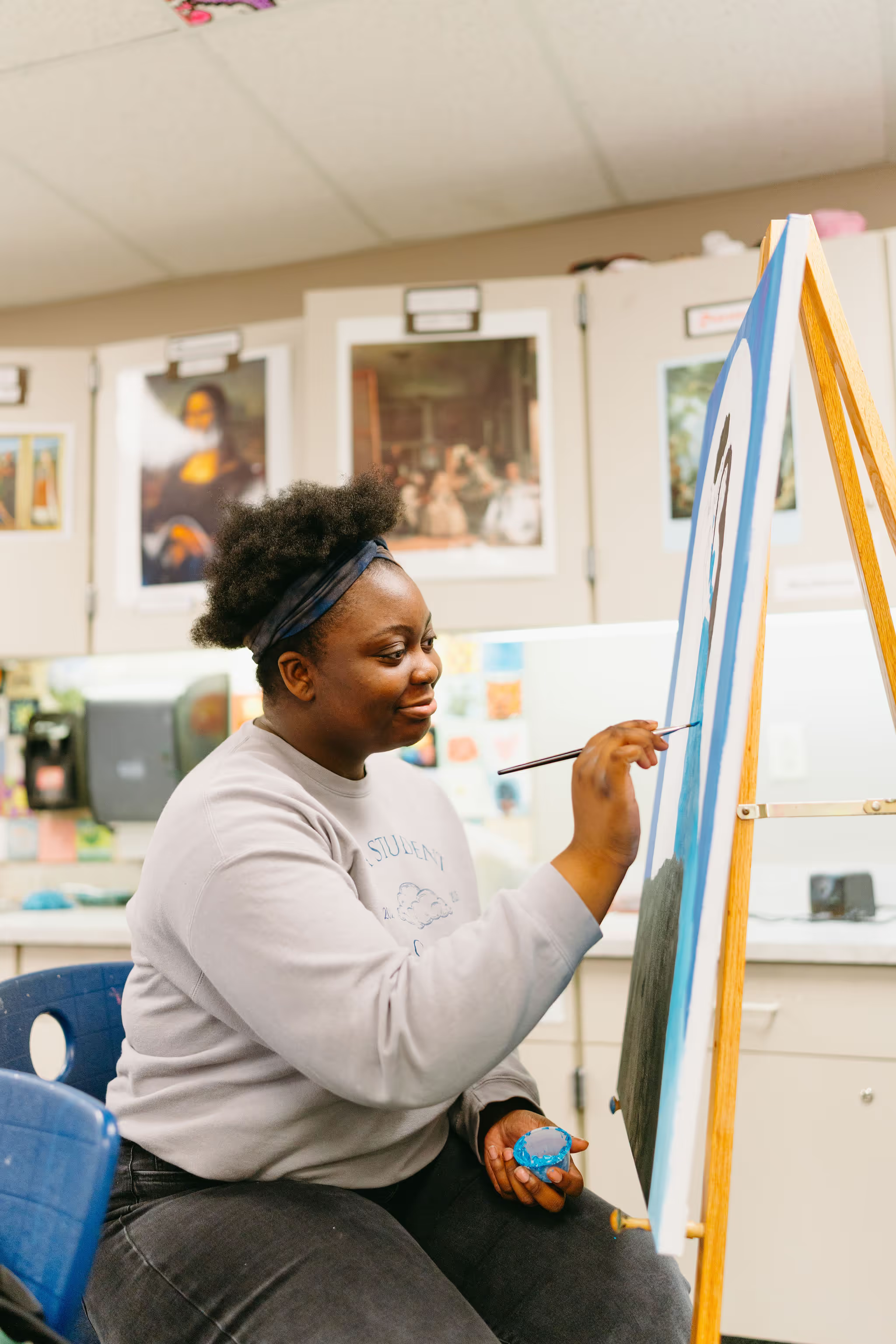
  • Art Integration: The beauty of the garden is enhanced by high school art students, who design and create custom artwork, painted plant stakes, and garden gnomes that add color and personality to our growing spaces all year long.

See the Difference for Yourself

Our team can't wait to meet you and your family, answer your questions, and show you first hand what sets Maranatha apart.